Real-life mechanics, in vitro.
A non-invasive magneto-mechanical platform that recreates dynamic biological environments on standard lab equipment.
How 60Nd NeoMag® works
NeoMag® combines an actuation device, smart substrates and AI software to apply precise, programmable mechanical forces to living samples, without ever touching them.
See products →Non-invasive, portable actuation
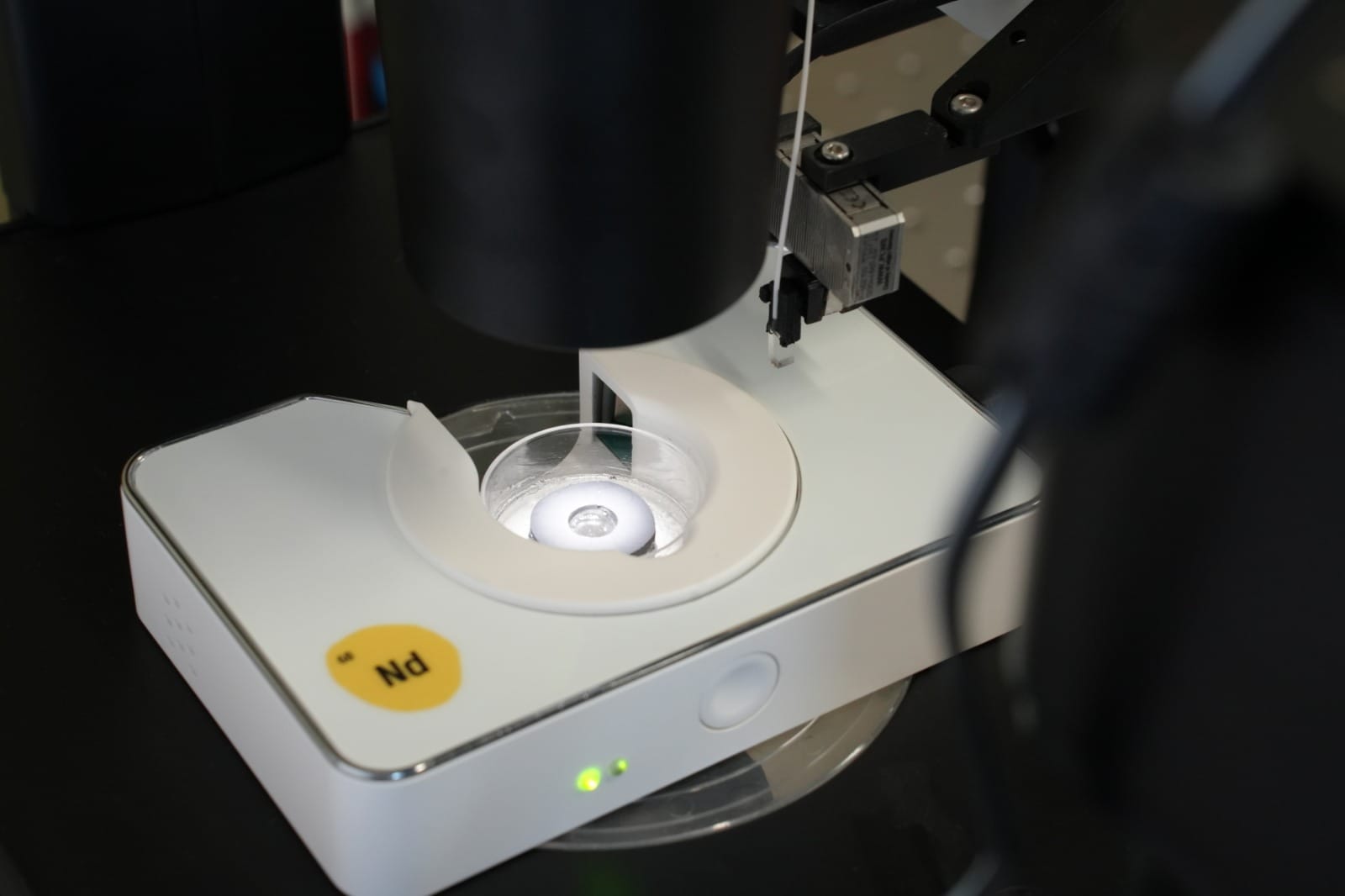
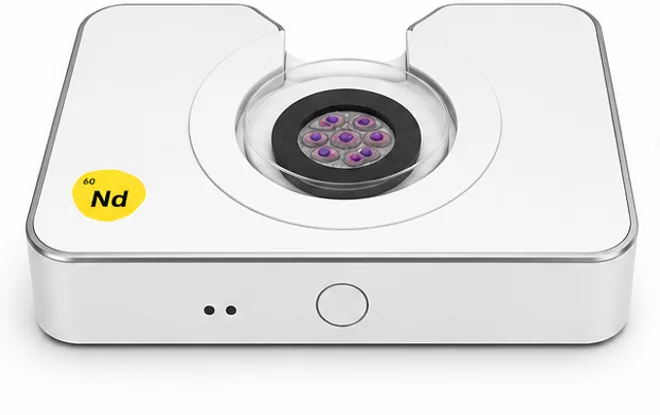
A magnetic field generator that controls substrate deformation remotely, without ever touching the sample. The NeoMag® device is compact, portable and plug-and-play, and mounts on standard upright and inverted microscopes.
Magneto-active materials for 2D & 3D
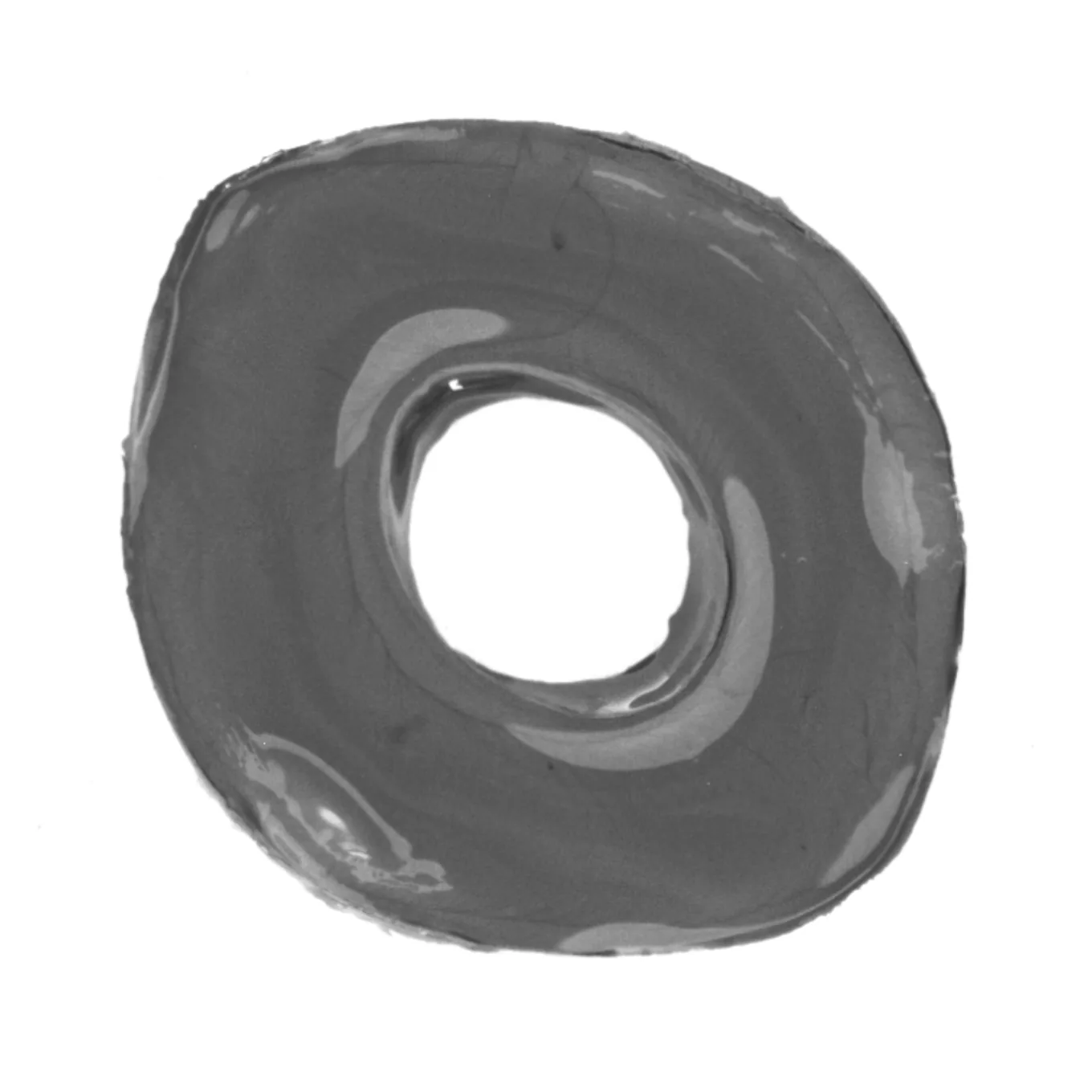
Biocompatible substrates embedded with magnetic particles. Tunable stiffness; programmable deformation patterns for 2D and 3D cultures.
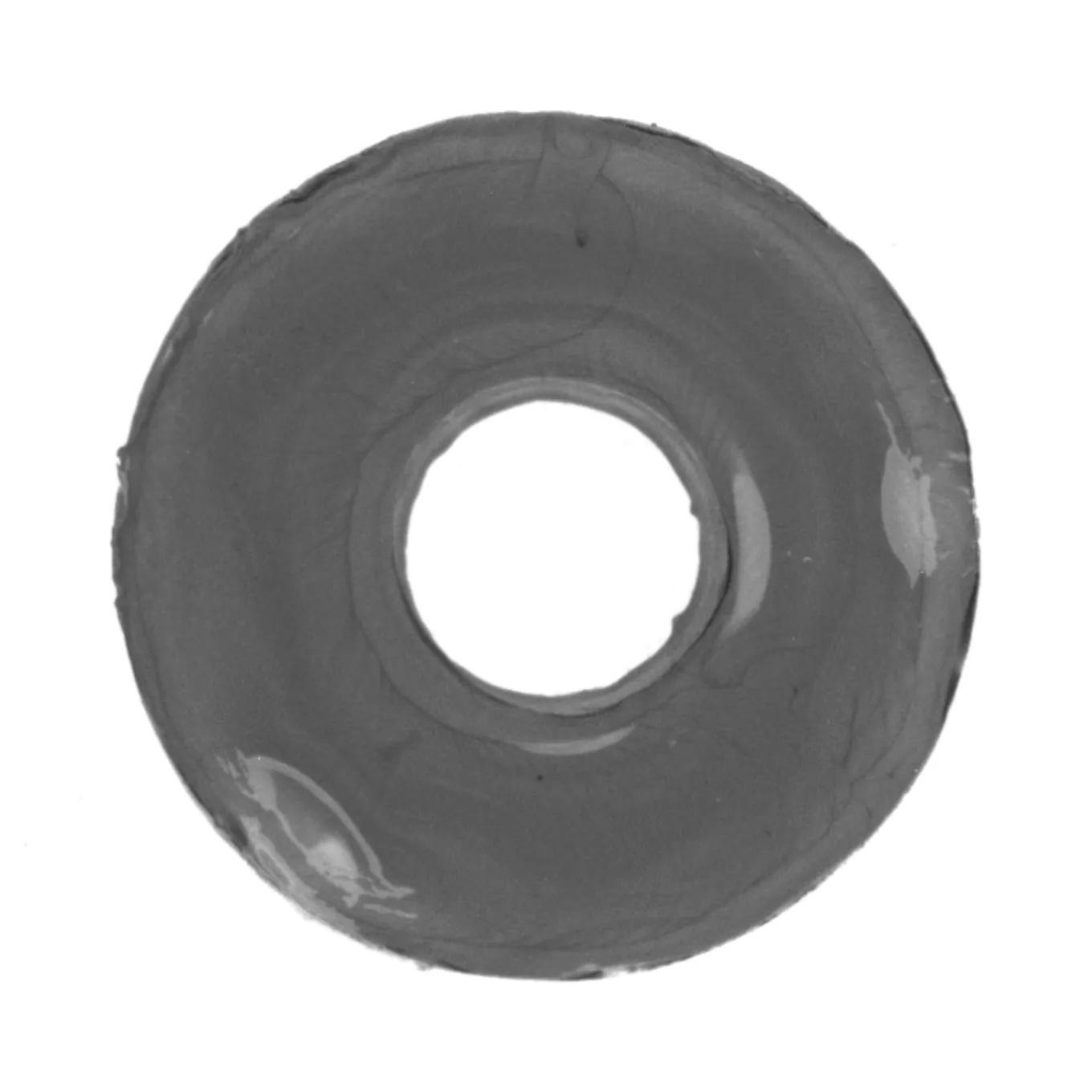
 Field off · at rest
 Physics-based, AI-powered simulation
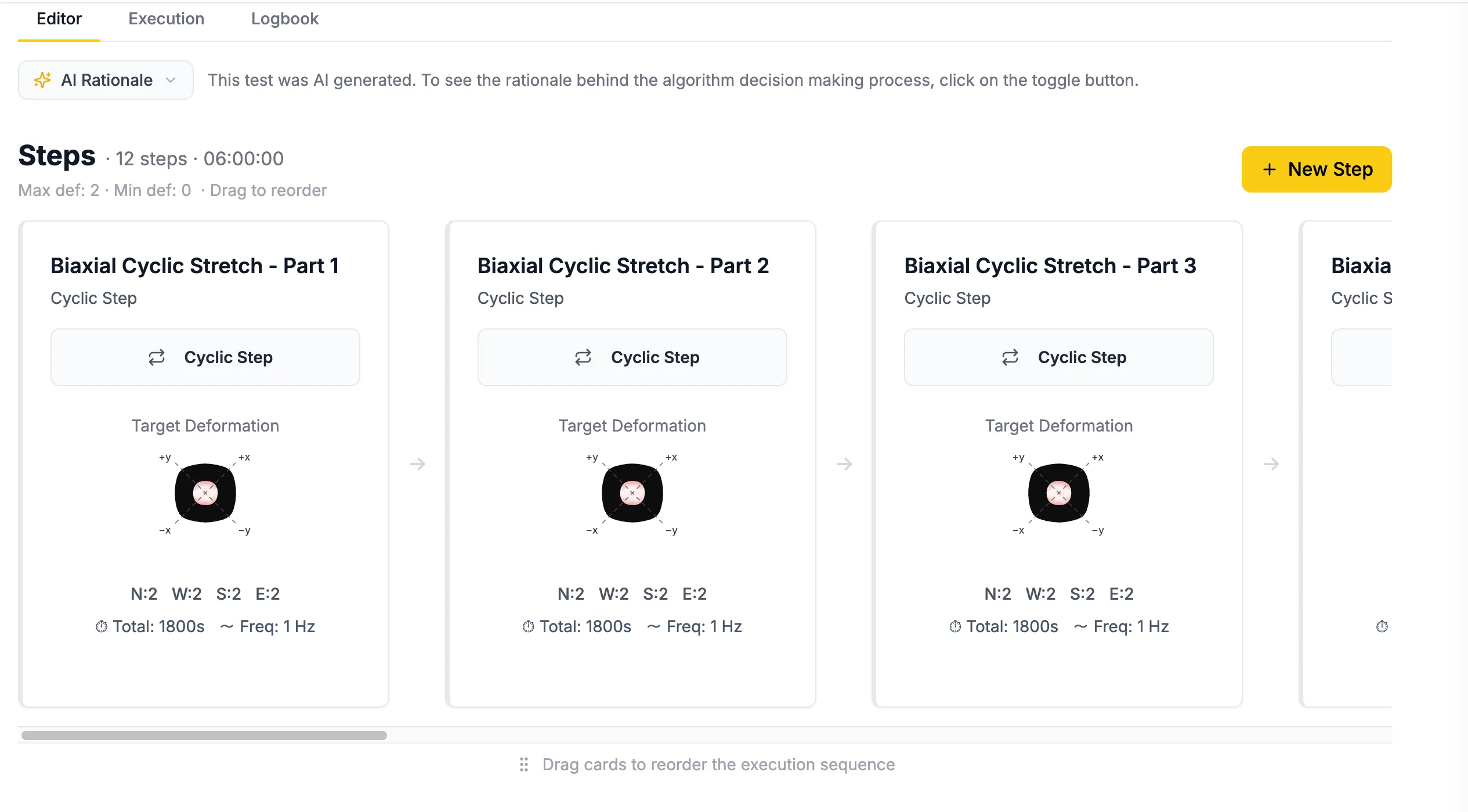
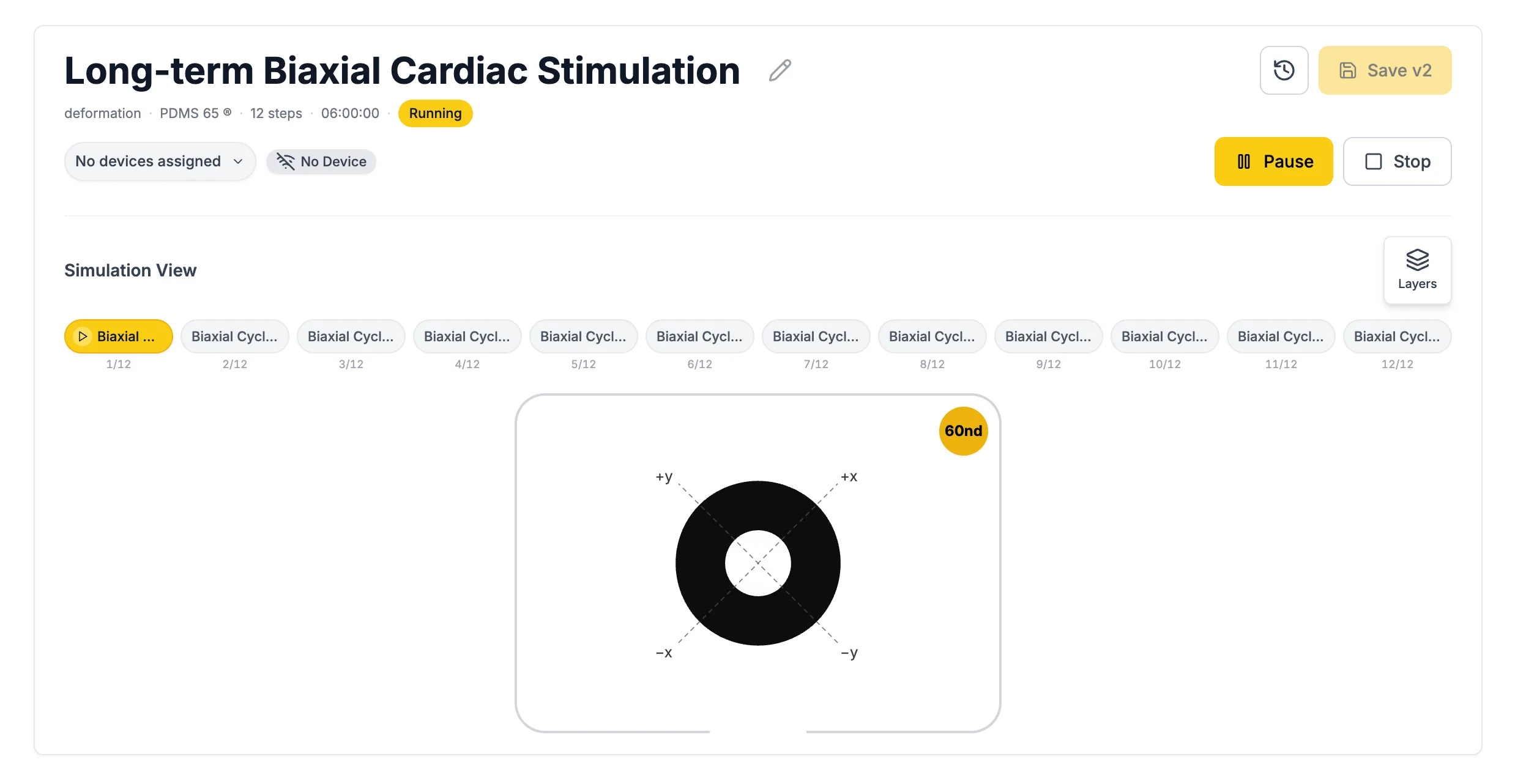
Protocol design, finite-element simulation, real-time control and remote monitoring in one workflow.
 Deformation · 0 – >15% (up to 30%)
 A magnetic field, applied without contact.

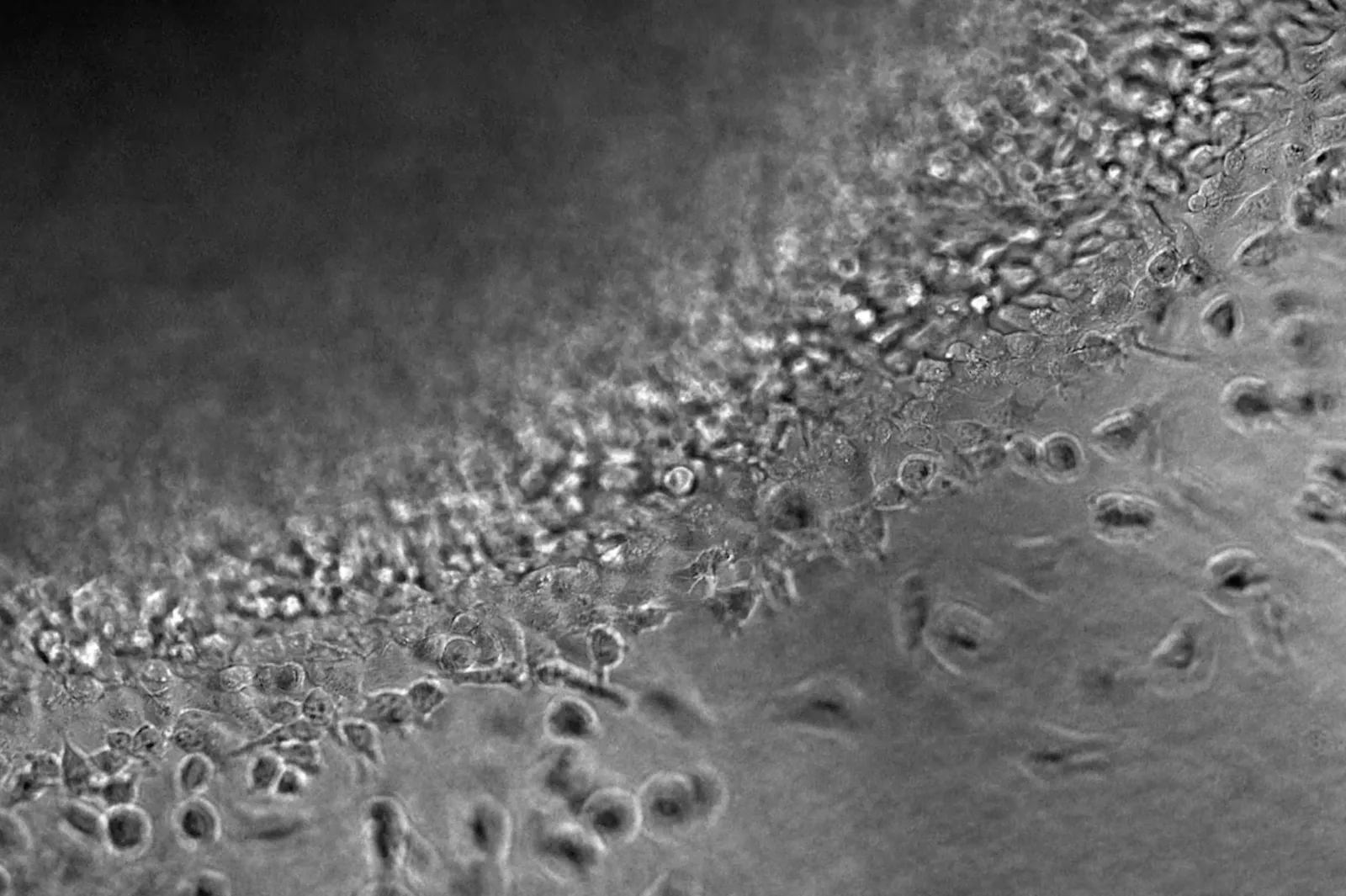
Insert
A MagFlex™ substrate carrying the culture is placed in a standard culture dish and positioned on NeoMag®. No field yet, the substrate sits fully relaxed.
Create
Design an assay that simulates the biological process of your choosing: from facial skin under stress for 24 hours to a 2-second cardiac arrest. Or start from our ever-expanding library of pre-built tests, with AI drafting the full protocol for you to review.
Activate
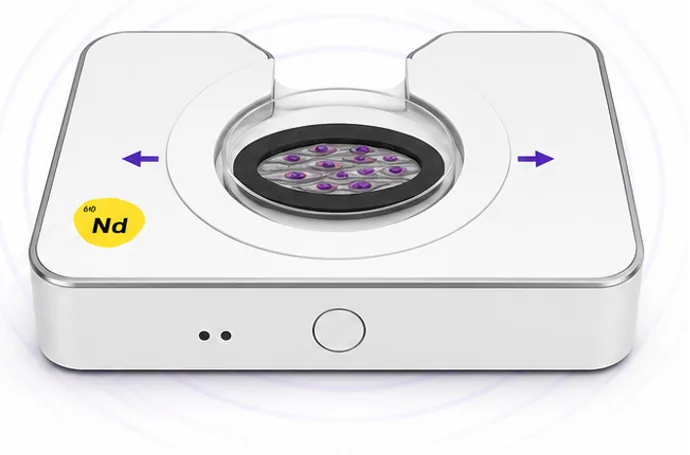
An external magnetic field pulls the substrate downward, deforming it laterally until it nearly reaches the plate wall. A precise, programmable stretch delivered without ever touching the sample.
Cells respond
Cells sense the mechanical cues and adapt their behavior, reorganising the cytoskeleton, signalling to the nucleus and shifting how they grow. The dynamics static culture never shows.
Fits the lab you already have.
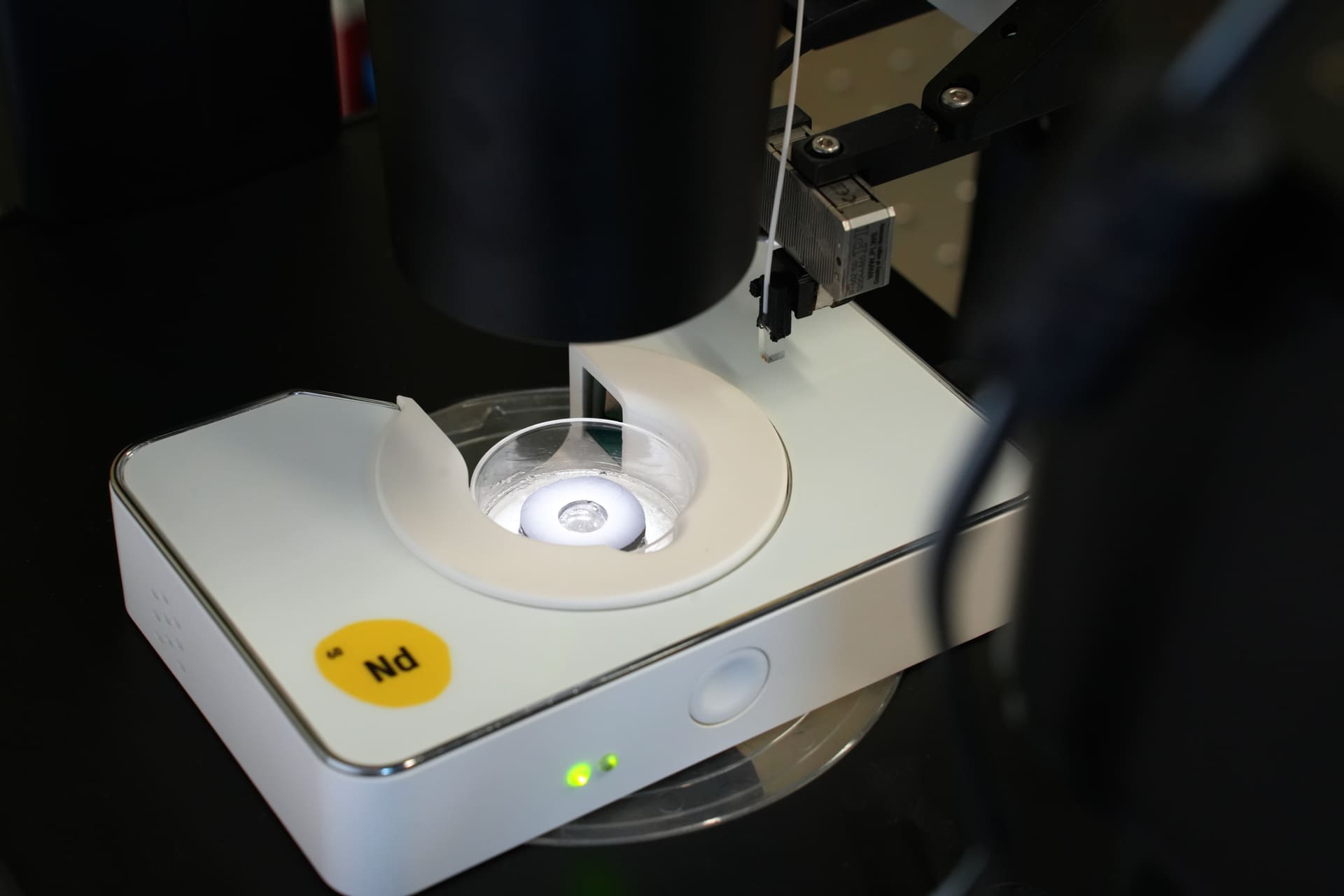 60Nd NeoMag® on a standard microscope
 Works with upright and inverted microscopes.
Live imaging compatible, in real time.
Integrates with nanoindenters, confocal systems and standard incubators.
Frequently asked questions
How does 60Nd NeoMag apply mechanical force without touching the cells?
Through a MagFlex™ substrate, which is a holder rather than a culture surface. Its outer ring is a soft magnetorheological elastomer (MRE) loaded with magnetic particles, and it sits in a standard culture dish. NeoMag® generates an external magnetic field that pulls that ring, and the ring transmits the deformation inward to the culture it carries. The particles stay in the ring, so the cells never contact them, and no probe, membrane clamp or vacuum ever enters the well.
What mechanical parameters can I control, and over what ranges?
Three: substrate stiffness, deformation and frequency. The NeoMag® platform from 60Nd covers a stiffness range of 0.04 to 30 kPa, deformation from 0 to over 15 percent with up to 30 percent reachable, and actuation frequencies from 0 to over 1 Hz. All ranges measured by 60Nd.
Does 60Nd NeoMag work with my microscope and incubator?
Yes. NeoMag® is designed to drop into an existing setup: it works with upright and inverted microscopes and integrates with nanoindenters, confocal systems and standard incubators. Compatibility has been demonstrated with ZEISS, Leica and Olympus microscopy, Optics11 (Chiaro) nanoindentation, Okolab live imaging and Axion Biosystems bioanalytics.
What plate formats does 60Nd NeoMag support?
NeoMag® works in P35 dishes and standard culture plates, so assays run inside plasticware a lab already stocks. A MagFlex™ substrate sits in a 30 mm well and presents a single culture region 8 mm across. A higher-throughput multiwell format is in development.
How long does it take to set up a dynamic assay?
A dynamic in-vitro test can be set up and running in less than 5 minutes. Protocols are designed in the NeoMag® software, either from scratch or from a library of pre-built tests, with AI drafting the full protocol for the researcher to review before it runs.
Are the magneto-active substrates single-use or reusable?
Single-use. The magneto-active substrates are consumables: one substrate per experiment. The NeoMag® device itself, the magnetic field generator, is permanent laboratory instrumentation.
How is 60Nd NeoMag different from a cell stretcher, an organ-on-chip system or a magnetic tweezer?
They solve different problems. A cell stretcher deforms a flexible membrane by vacuum or clamps, so the actuation hardware is in contact with the culture and the strain field is set by the rig’s geometry. An organ-on-chip recreates tissue architecture and perfusion in a microfluidic device, where mechanical loading is usually secondary to the flow and hard to quantify independently. A magnetic tweezer applies force through magnetic beads attached to individual cells or molecules, which gives single-cell resolution but not population-scale stimulation. NeoMag® actuates the substrate itself with a remote magnetic field: the whole cell population is loaded at once, without contact, in a standard plate under live imaging, with stiffness, deformation and frequency programmed and quantified independently of each other.
Is 60Nd NeoMag a medical device?
No. NeoMag® is a research instrument for preclinical and in-vitro use. It is not a medical device and is not intended for diagnosis, treatment or any clinical use in humans.
See 60Nd NeoMag® in your lab.
Book a demo
NEOMAG · EIC Transition
NEOMAG has received funding from the European Innovation Council (EIC) under the EIC Transition programme, part of Horizon Europe. The project matures 60Nd's magneto-mechanical platform from proof of concept toward a validated, market-ready instrument; advancing the technology and its business case in parallel so that dynamic, mechanically realistic assays can reach labs at scale.
Funded by the European Union. Views and opinions expressed are those of the author(s) only and do not necessarily reflect those of the European Union or the European Innovation Council. Neither the European Union nor the granting authority can be held responsible for them.
Read the full project story →